As the summer nears its end and fall is on the horizon, you might think that the time for festivals and culture is coming to a close. Nothing could be farther from the truth. Reykjavik does a lot of culture in the dark.
A city of only 140,000 people supports a full symphony orchestra playing weekly in a purpose-built hall, two international film festivals, a dance festival and a design festival to name just a few.
Icelanders have been writing things down for a thousand years and never really stopped — Iceland Noir literary festival was founded by two internationally successful Icelandic crime novelists who have been translated into dozens of languages. All that to say: the cultural calendar is denser than the population has any business supporting.
Some of that density comes from the dark. The ticketed, indoor, programmed festivals cluster from late September through February, and several of them say so in their names — Dark Music Days, Winter Lights, and a the “Noir” literary festival that schedules itself for what it calls the darkest time of year. This is in contrast to a summer full of free & outdoor activities largely built around a handful of very large days.
Reykjavík City recognises six official City Festivals, chosen every three years from a much larger field. For 2026 to 2028 the list runs: Reykjavík Dance Festival, Myrkir músíkdagar (Dark Music Days), Iceland Noir, Reykjavík Pride, Iceland Airwaves and DesignMarch. And there are many other events and festivals worth considering – keep reading for the main ones!
The permanent programme
Not everything worth going to is at a specific date.
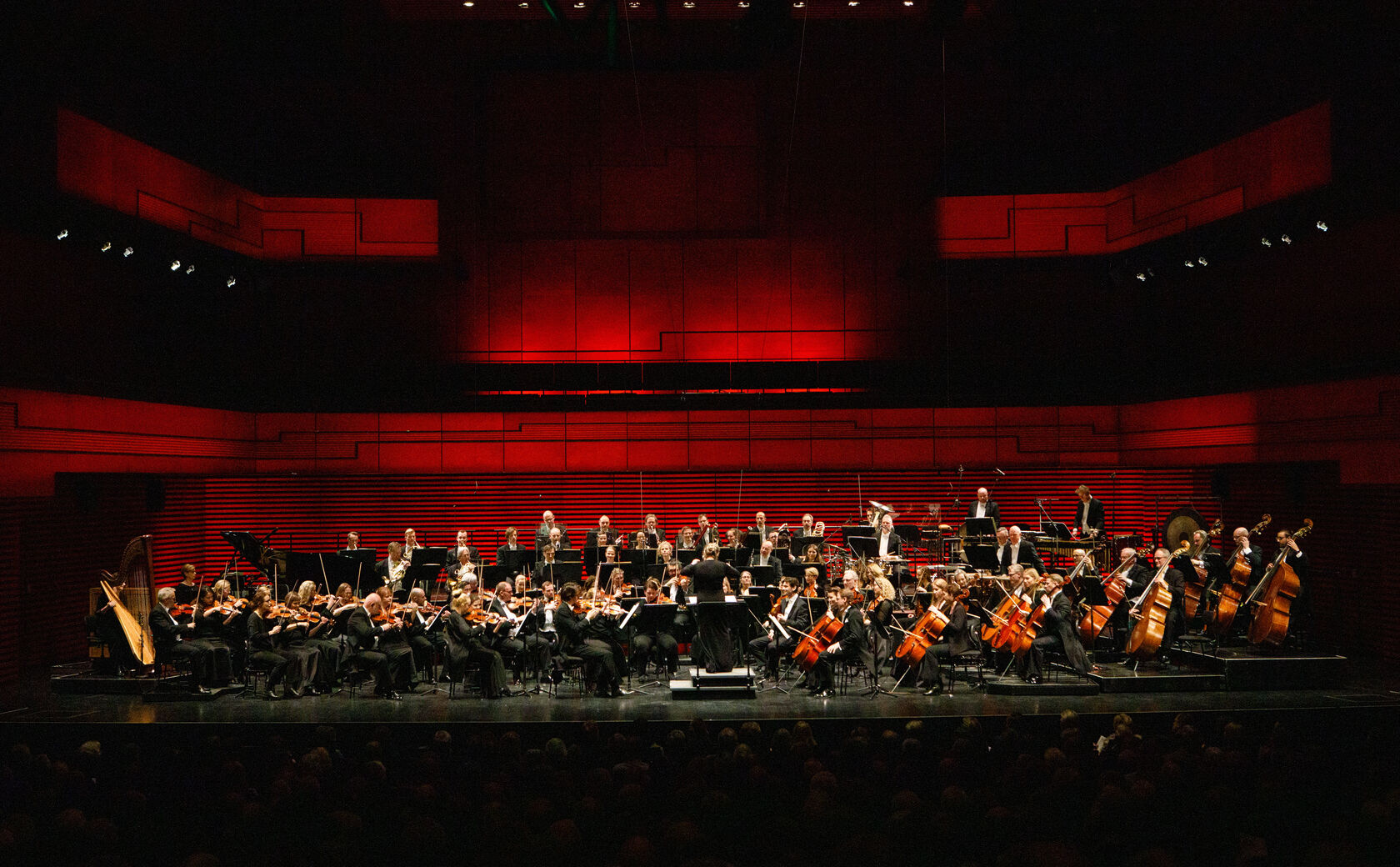
The Iceland Symphony Orchestra plays weekly at Harpa from September through June, around a hundred concerts a year, in a hall built for it. This season is a change-of-era one: Barbara Hannigan takes over as principal conductor from autumn 2026, succeeding Eva Ollikainen, with Daníel Bjarnason joining as artistic advisor and Bertrand Chamayou as artist-in-residence. Tickets are cheaper than the equivalent would be in most European capitals and nobody dresses up much.
For visual art, the National Gallery of Iceland (Listasafn Íslands) and the three-site Reykjavík Art Museum carry the weight, alongside smaller specialist collections — the Einar Jónsson Museum, which opened in 1923 as the country’s first public art museum; the Sigurjón Ólafsson Museum; Hafnarborg out in Hafnarfjörður. Kjarvalsstaðir is built around Jóhannes S. Kjarval, the painter who did more than anyone to teach Icelanders how to look at their own landscape, and the National Gallery runs a Kjarval exhibition from early October into January.
- Read more about Reykjavík Art Museums here
Through to late September the National Gallery is also showing echolalia, an exhibition of Björk’s work presenting three songs at theatrical scale for the first time — including Sorrowful Soil, a nine-part choral requiem written for her mother, transmitted through thirty speakers each carrying a single voice from the Hamrahlíð choir. It runs alongside Metamorphlings by James Merry, her long-time collaborator. If you are in the city before it closes, go.
Réttir — the sheep round-up, early September to early October
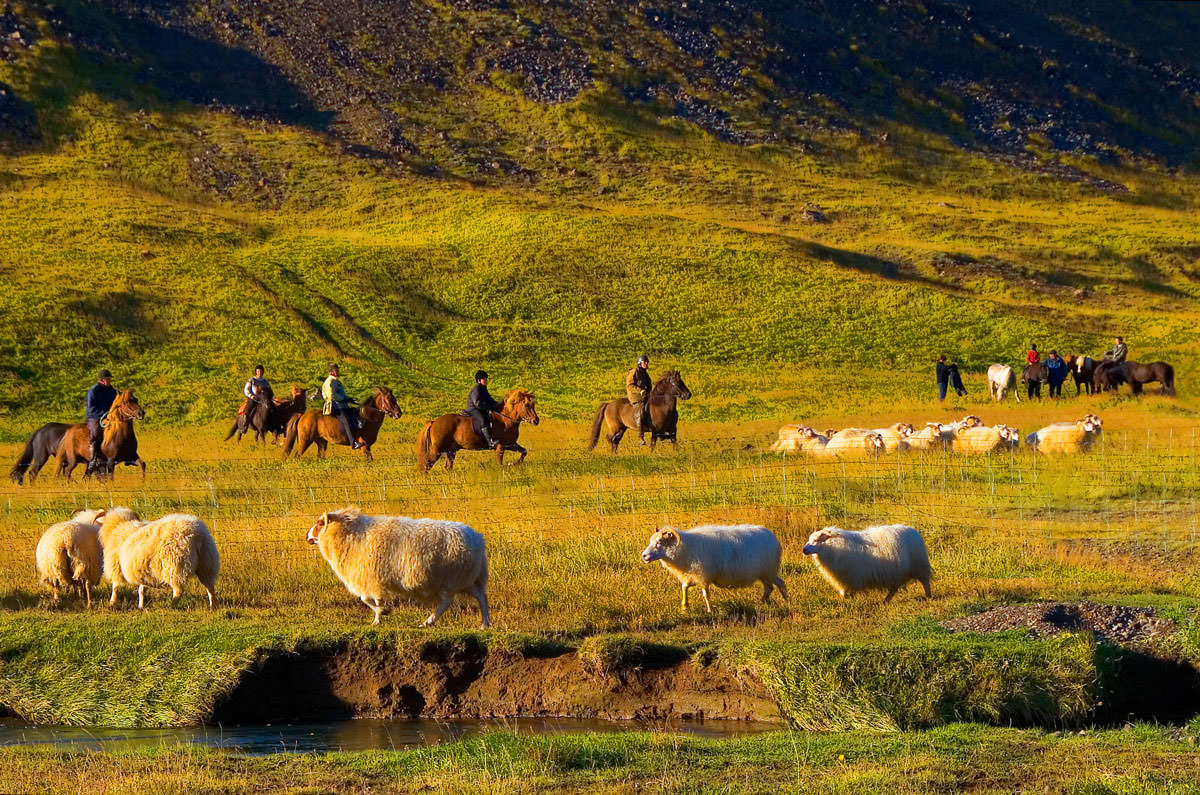
Réttir (the sheep round-up) is a huge event, but may not be easy to participate in. Through the summer, hundreds of thousands of Icelandic sheep graze unsupervised across the highland commons. In September they have to come down. The gathering itself — göngur — takes several days on horseback and on foot across open country. What visitors usually mean by réttir is the final day, when the sheep arrive at the sorting pens and are separated back out to the farms they belong to.
It is the single most Icelandic thing you can stumble into, and the travel press has a habit of describing it as though it were a spectator event with a bar. It is not. It is a working day for the farmers involved, conducted at speed, with a lot of loose livestock and a lot of horses. Turning up cold at a sorting pen is a gamble if you’re not familiar with the locals and their habits.
Ask Icelanders whether visitors are welcome at réttir and you get a wide range of answers – At one end farmers would simply rather you didn’t: the corrals are already crowded with locals, inexperienced hands can injure lambs, and sorting is done by families who know their own animals — sometimes by face — and want it over quickly and calmly. If you know a farmer personally, you might be able to arrange to participate. At the other end are people who grew up with it in the countryside and remember extra hands always being welcome, with visitors bringing coffee and snacks to share and the evening dance in the village afterwards being half the point. There are different stories about tour operators too, where some have arrangements with farms or municipalities and others don’t, which can be less than appreciated, so ask the operator whether they have an arrangement with the farmers. The one thing nobody disagrees about is that the round-up is a wonderful cultural institution, but not one to be taken casually or unseriously – it is many days of intense work under often unpleasant and challenging conditions.
Réttir runs from the first week of September into early October, at roughly a hundred locations. The big ones tend to land on a weekend. Exact dates are set regionally, usually published around mid August, and can shift with the weather, so check the current year’s list rather than a travel article’s.
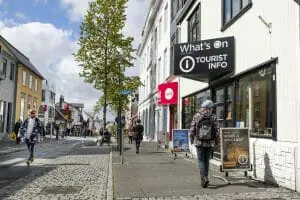
If you want to participate in the activities, check out our event calendar or come by our office on Laugavegur 5 or drop us an email.
RIFF — Reykjavík International Film Festival, 24 September – 4 October
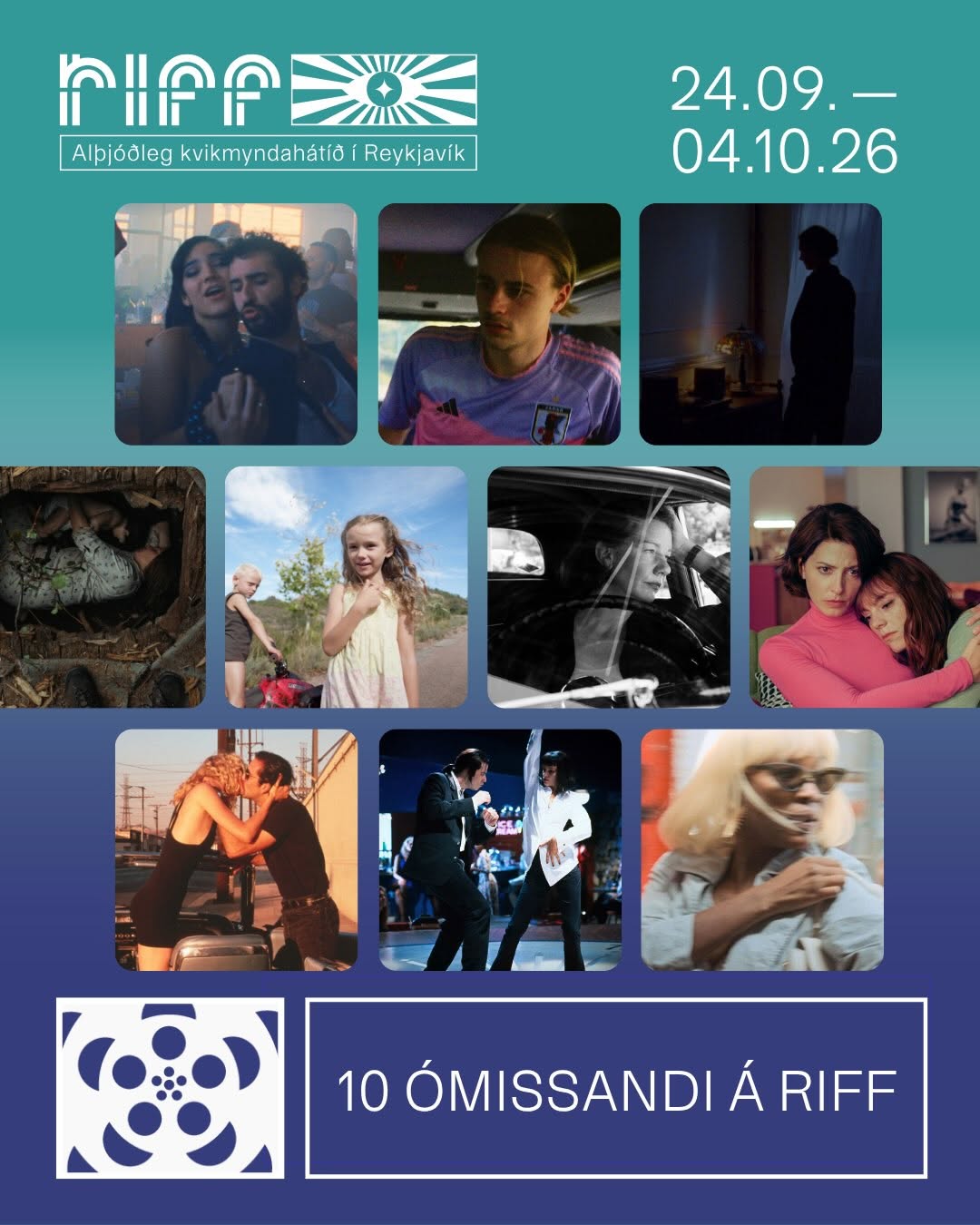
The Reykjavík International Film Festival takes over the last week of September. Eleven days, around a hundred titles, and a programming identity built on first and second features — the main competition strand, New Visions, is restricted to them, which means RIFF is a place to see directors before anyone has decided what to think about them. The festival splits its screenings between Háskólabíó and the Nordic House, and has a long habit of putting films in places films do not belong: a swimming pool, a cave. Past honorees have included Jim Jarmusch. It is unpretentious in a way that larger festivals have mostly lost.
Stockfish Film Festival — 13-18 October
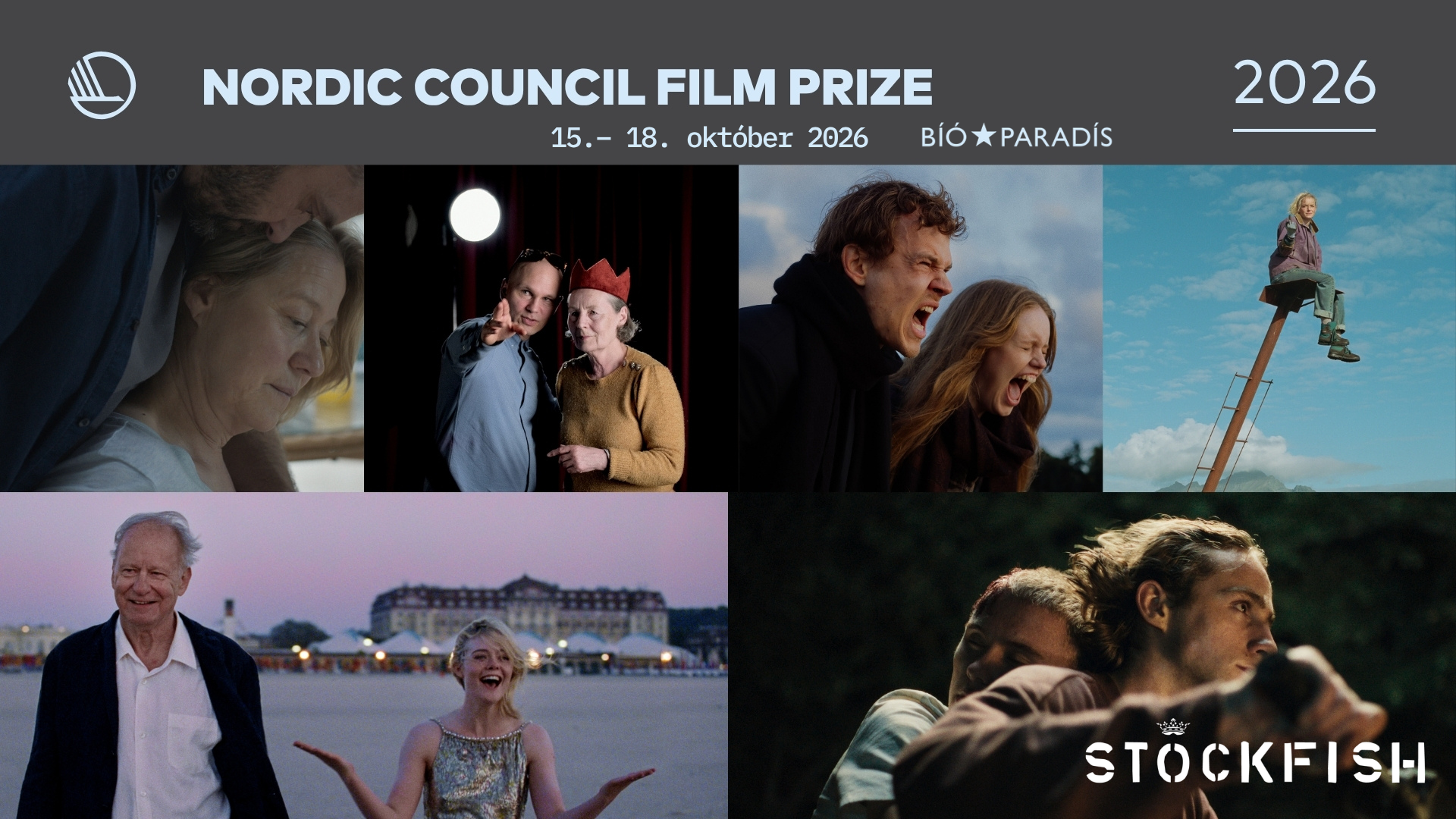
And actually, October will be a surprisingly rich feast for film lovers – since Stockfish, which is usually held in April, will have a special four-day celebration of Nordic cinema, bringing all six films nominated for the 2026 Nordic Council Film Prize to Reykjavík from October 15–18.
Known for creating a meeting point between Icelandic and international cinema, Stockfish is extending its activities beyond its annual festival with a programme that brings together films, filmmakers, audiences and industry professionals from across the Nordic region.Presented in collaboration with the Nordic Council and Bíó Paradís, the event will showcase the six films competing for one of the Nordic region’s most prestigious film awards, representing Denmark, Finland, the Faroe Islands, Iceland, Norway and Sweden.
The 2026 nominees are Beginnings (Begyndelser) by Jeanette Nordahl, A Light That Never Goes Out (Jossain on valo joka ei sammu) by Lauri-Matti Parppei, Birita by Búi Dam, The Love That Remains (Ástin sem eftir er) by Hlynur Pálmason, Sentimental Value (Affeksjonsverdi) by Joachim Trier, and Kevlar Soul (Kevlarsjäl) by Maria Eriksson-Hecht.
But for Stockfish, the programme is about more than presenting six films. Throughout the four days, the screenings will become a starting point for conversations, encounters and exchanges between Nordic filmmakers and Reykjavík audiences.
Imagine Peace Tower — lit 9 October, burning nightly to 8 December

On 9 October, Imagine Peace Tower is lit on Viðey. Yoko Ono’s artwork takes the form of a wishing well with the words IMAGINE PEACE inscribed in twenty-four languages, and from it a column of light rises out of the island and stays visible across the whole capital area. The lighting is timed to what would have been John Lennon’s birthday, and the tower burns nightly until 8 December, the day he died. There is a ceremony on the island on the ninth, and in past years the ferry and a shuttle bus from Hlemmur have been laid on free. It is also relit around the winter solstice and through New Year’s Eve.
Iceland Airwaves — early November
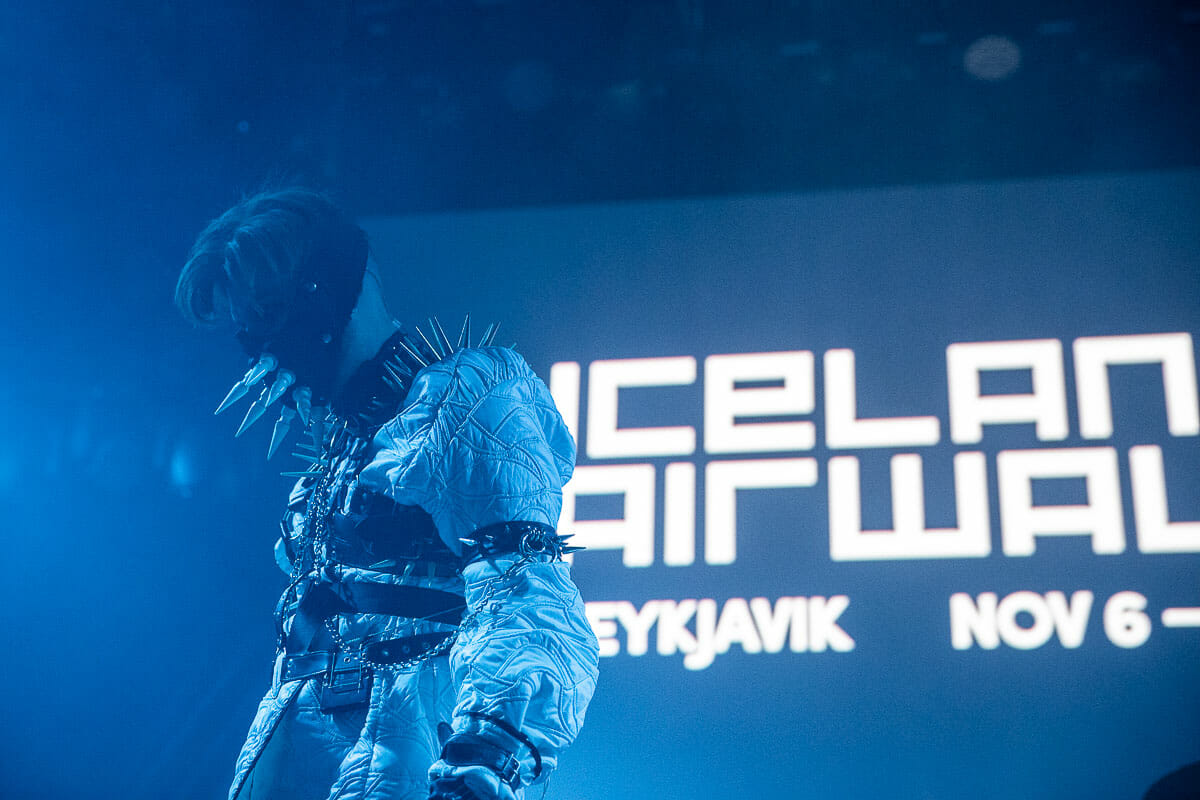
Iceland Airwaves is without question the biggest music event of the year, its official programme running across three days in early November with separately ticketed special events bolted onto either end. It is the country’s flagship music export event and it deserves its own treatment. Read more in our article about music festivals!
Iceland Noir Literary Festival — 11–14 November
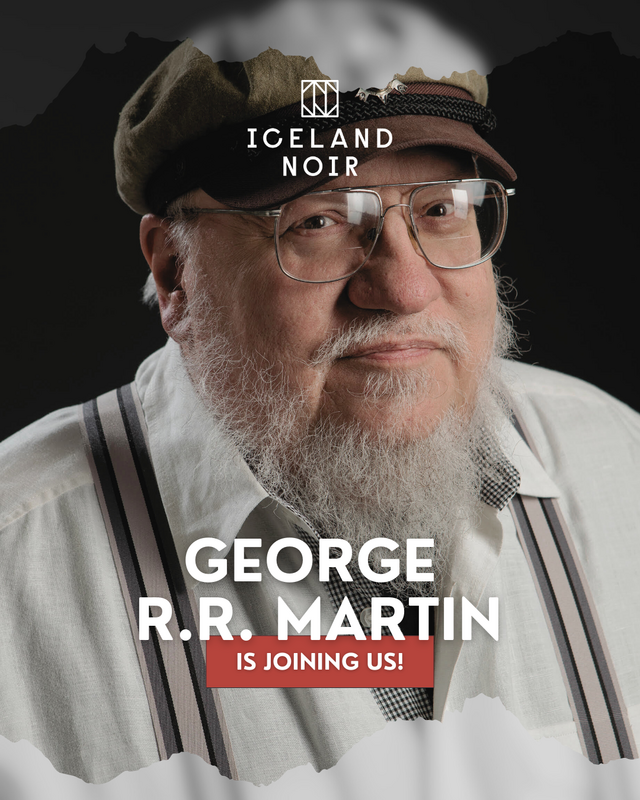
Then, in the same week, two City Festivals overlap almost completely: Iceland Noir and Reykjavik Dance Festival.
Iceland Noir is a literary festival founded by the crime novelists Ragnar Jónasson and Yrsa Sigurðardóttir, which has since widened out from crime fiction into darkness as a subject across genres and media — panels, screenings, and a programme spread through small venues across the city. Daytime events are first-come, first-served and the rooms are not large.
Reykjavík Dance Festival — 11–15 November
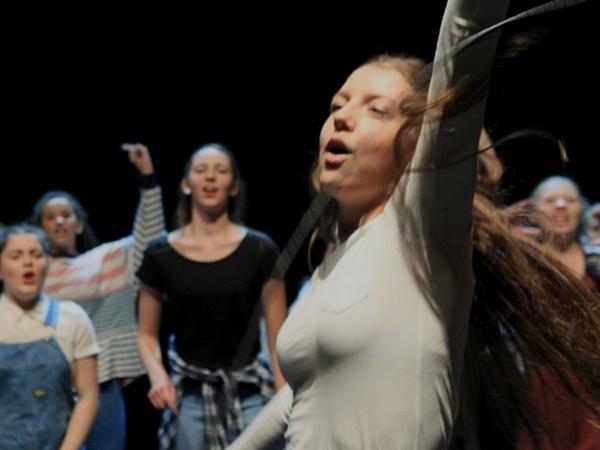
Reykjavík Dance Festival, founded in 2002 and running its festival in November since it moved out of summer, works in partnership with Lókal to produce what is effectively the country’s main performing arts festival.
Christmas — Þorláksmessa 23 December, Christmas Eve 24 December
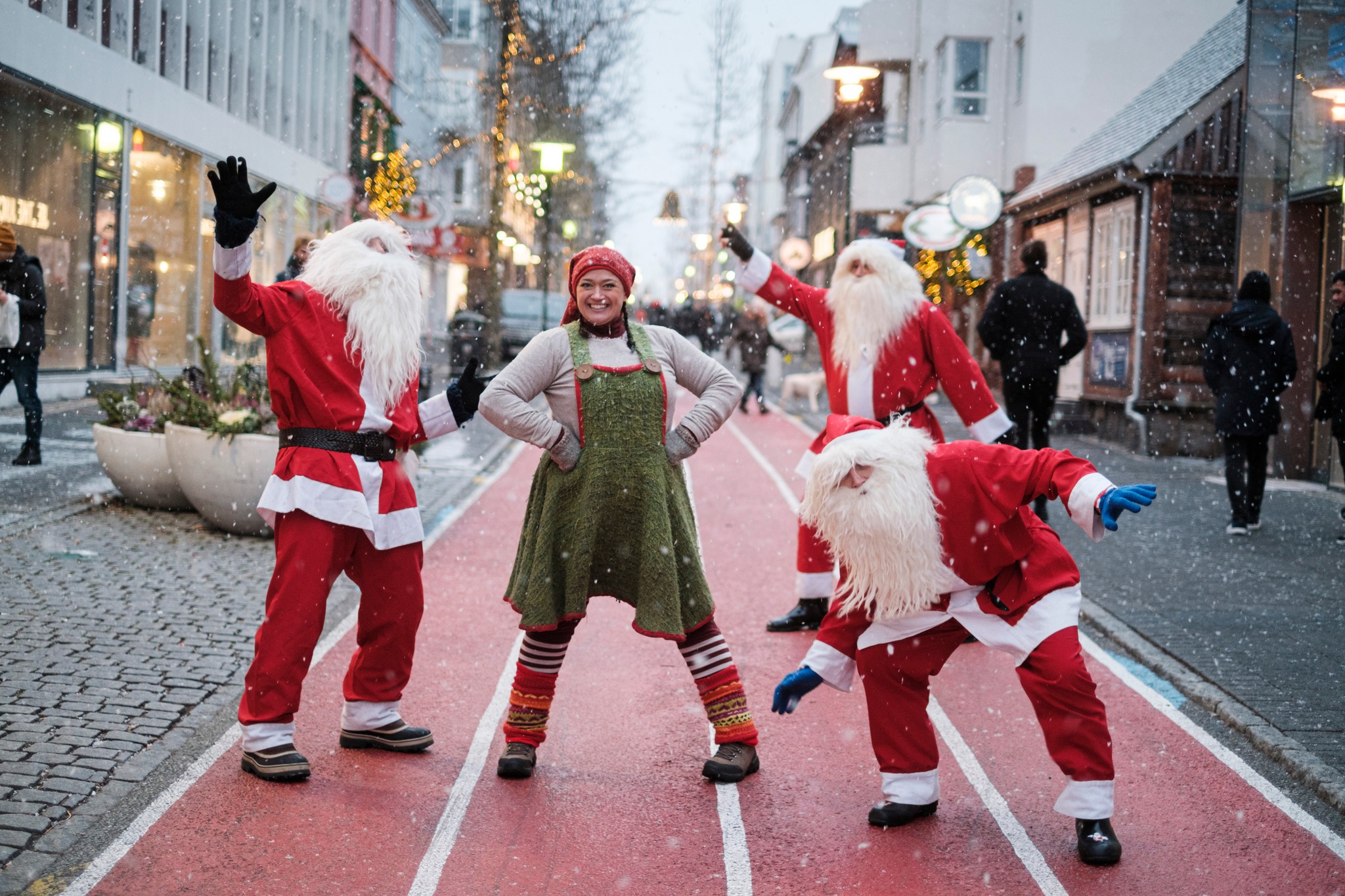
Christmas in Iceland is a long, structured season with its own cast — thirteen Yule Lads arriving one at a time, a Christmas Cat with an interest in people who did not receive new clothes — and it has enough moving parts that it needs its own guide rather than a paragraph here. [Internal link: Christmas in Iceland]
The fixed points: Þorláksmessa (St Þorlákur’s Mass) on 23 December, when the shops stay open late and the town walks Laugavegur eating fermented skate; Christmas Eve, when everything closes at midday and the actual celebration happens; and New Year’s Eve, which Icelanders observe with a volume of private fireworks that has to be seen to be believed, plus neighbourhood bonfires and a national television comedy broadcast that empties the streets for an hour.
If you are travelling in Iceland around Christmas and New Year’s, you should be aware that Icelanders are very tradition about this holiday – Don’t assume all tours will run or that everything will be open as ususal, especially not on the “red days,” December 24, 25 and 31, and January 1st. Try to book well in advance, and check back in with What’s On closer to the season for more information about opening hours, and feel free to contact us for help to book activities and restaurants.
Myrkir músíkdagar — Dark Music Days, 28–31 January 2027

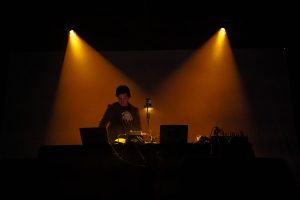
Myrkir músíkdagar (Dark Music Days) was founded in 1980 by the Society of Icelandic Composers as a platform for contemporary work, which makes it one of the oldest music festivals in the country. It premieres more new music each year than any other Icelandic cultural event, and it partners with the Iceland Symphony Orchestra, CAPUT and the Reykjavík Chamber Orchestra. Since Harpa opened it has been the festival’s hub, though concerts scatter to other venues. Late January.
Vetrarhátíð — Winter Lights Festival, 4–7 February 2027

Vetrarhátíð (Winter Lights Festival) follows in early February and is the most generous thing in the calendar: more than a hundred and fifty events across all six municipalities of the capital area, all of them free. The architecture of it is three set pieces — Museum Night, Pool Night, and a Light Trail through the city — with light and darkness as the connecting theme. Pool Night means the municipal pools open free in the evening with performances in and around the water, which is as good an introduction to Icelandic public life as exists.
The rest of the year, briefly

DesignMarch (HönnunarMars) takes over the city for a long weekend in spring and is a City Festival. Reykjavík Arts Festival is biennial; the 2026 edition ran from late May into June, so the next falls in 2028. Reykjavík Pride in August has been a City Festival since 2017 and now holds a permanent contract with the city — for a capital this size, the parade is startling. Menningarnótt (Culture Night), on a Saturday in late August, is the largest single day in the calendar: free events from morning until a fireworks finale over the old harbour.